#1
作者 Ross Moyo
地点 Zimbabwe、Africa
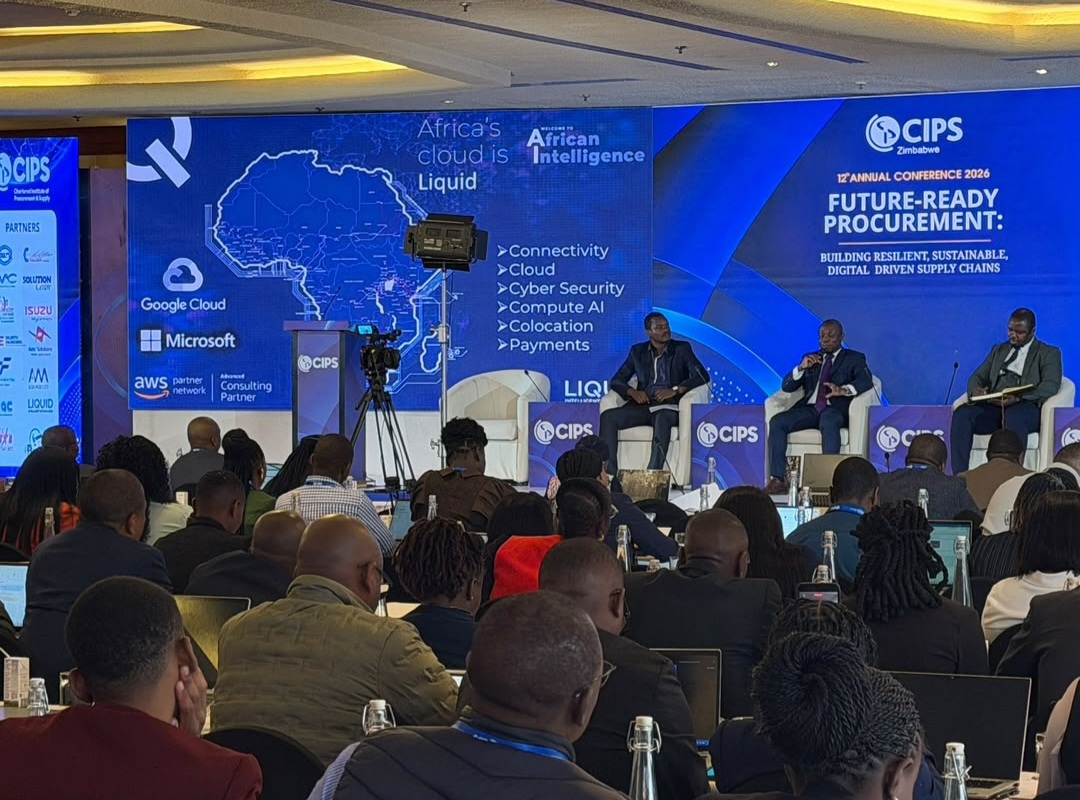
Liquid Intelligent Technologies has partnered the Chartered Institute of Procurement and Supply (CIPS) as the Official Connectivity Partner for its 12th Annual Conference.
The conference, running under the theme "FUTURE-READY PROCUREMENT: Building Resilient, Sustainable, Digital-Driven Supply Chains," from the 30th of September to the 2nd of October has brought together procurement and supply chain professionals, public sector leaders, and private sector players at a time when digital transform
展开查看正文
Liquid Intelligent Technologies has partnered the Chartered Institute of Procurement and Supply (CIPS) as the Official Connectivity Partner for its 12th Annual Conference.
The conference, running under the theme "FUTURE-READY PROCUREMENT: Building Resilient, Sustainable, Digital-Driven Supply Chains," from the 30th of September to the 2nd of October has brought together procurement and supply chain professionals, public sector leaders, and private sector players at a time when digital transformation is reshaping how Zimbabwe buys, supplies and trades.
Automated risk scoring, spend intelligence, AI invoicing and AI based spend analysis are some of the topics under discussion at the conference. Attended by industry leaders, thought leaders and players in the procurement and finance sectors, the conference takes place at a time when the global procurement and the supply chain landscape is undergoing unprecedented transformation driven by rapid technological advancements, geopolitical uncertainty, climate related disruptions, economic volatility, evolving regulatory frameworks, changing stakeholder expectations, accelerated digital transformation and increasing cyber threats.
With Liquid's thrust to firmly establish itself as the leading provider of pan-African digital infrastructure, the company is providing high-speed internet and digital infrastructure support for the conference, enabling live streaming, hybrid participation and seamless digital engagement for delegates.
The partnership aligns with CIPS' push towards digital-driven supply chains. Future-ready procurement now depends on reliable connectivity, cloud-based procurement systems, secure payment platforms and data-driven decision making -- all areas where Liquid has been positioning itself as Africa's digital backbone.
With over 116,000km of fibre across Africa and extensive data centre capacity, Liquid's presence at CIPS this year underscores its strategy to move beyond just connectivity to being a full-stack technology partner for enterprise and public sector transformation in Zimbabwe.
The 12th Annual Conference continues to deliberate on resilience, sustainability and digitisation as key pillars for Zimbabwean supply chains facing global disruptions and local currency and logistics pressures.
#2

作者 Philip Downes
地点 United Kingdom
Ireland could experience some flooding this weekend, as Met Éireann predicts heavy rain at times over the next few days.
While the leaves are starting to change, temperatures have remained above average for September. However, there are hints that winter weather is well and truly on the way, and Met Éireann has warned that we're in for a wet weekend to kick off spooky season.
Weather Alerts Ireland has warned that a band of rain is set to move in from the west, bringing up to 30mm of rain in s
展开查看正文
Ireland could experience some flooding this weekend, as Met Éireann predicts heavy rain at times over the next few days.
While the leaves are starting to change, temperatures have remained above average for September. However, there are hints that winter weather is well and truly on the way, and Met Éireann has warned that we're in for a wet weekend to kick off spooky season.
Weather Alerts Ireland has warned that a band of rain is set to move in from the west, bringing up to 30mm of rain in some places.
While the next few days are expected to be a washout, Met Éireann added that from the start of next week, the country is expected to bask in a high-pressure system that will still bring higher-than-average temperatures.
Looking ahead to next Friday, Met Éireann said it will be cloudy, with rain spreading eastward and heavy and persistent at times. Some localised flooding is possible, alongside strong gusts, but the rain is expected to gradually clear and ease to the east as the afternoon progresses. Highest temperatures of 13C to 17C.
Mostly dry and clear on Friday night, with isolated showers across Ulster. Patches of mist and fog will set in over southern coastal fringes towards morning, and it will be cooler under the clear skies; lowest temperatures of just 4C to 8C.
Saturday will start fresh and crisp, with plenty of dry, bright weather and widespread sunny spells. Cloud will drift in with hazy sunshine as the afternoon and evening progress, while highest temperatures will remain around 14C to 17C.
High pressure will dominate early in the weekend, but it will start cloudy on Saturday night in the west and northwest. It will be clear elsewhere, while patchy mist and fog will form in the south overnight. Lowest temperatures of 7C to 12C.
Sunday will be cloudier with some patchy rain and drizzle over the western half of the country. It will be mainly dry elsewhere, with the best sunny spells in the southeast. Highest temperatures of 16C to 19C.
It will be cloudy with patchy rain and drizzle on Sunday night, mainly affecting the western counties. It won't be too cool, however; lowest temperatures of 11C to 13C.
Monday will be mostly cloudy with patchy rain and drizzle, before some sunny spells develop. A band of more persistent rain will move in across the north as the day progresses. Highest temperatures of 16C to 19C.
Current indications for Tuesday onwards suggest that the rain will sink southeastwards over the country, but it will be followed by drier, brighter conditions later in the evening. Highest temperatures of 14C to 18C.